

Executive Summary
As Vancouver’s commercial landscape evolves in 2026, the transition from residential to commercial contracting requires more than just a shift in scale, it requires a complete recalibration of legal, safety, and sustainability standards. With the City of Vancouver enforcing aggressive Zero Carbon Step Code targets and strict WorkSafeBC COR™ requirements for major tenders (such as TransLink and BC Hydro), contractors must prioritize compliance to remain competitive. This roadmap outlines the four critical phases of establishing a commercial firm in Metro Vancouver, detailing the specific 2026 costs, timelines, and regulatory hurdles. By leveraging specialized tools like Billdr, contractors can automate the complex documentation from Letters of Assurance to Prompt Payment tracking, necessary to scale into high-value commercial builds while mitigating the financial risks of project delays and non-compliance.
Why Compliance Matters in 2026: Risks of Non-Action
In the current market, "winging it" on compliance is a high-stakes gamble. Failing to align with 2026 standards leads to:
- Bid Ineligibility: Without COR™ certification, you are automatically disqualified from 10–20% of the market, including most public sector and institutional bids.
- Financial Hemorrhaging: A missed Schedule C or a permit deficiency can delay occupancy by months, adding thousands in carrying costs and interest.
- Extreme Liability: As the Prime Contractor, any safety lapse by a sub-trade falls squarely on your shoulders, leading to WorkSafeBC fines and potential criminal liability.
- Permit Gridlock: Submitting non-compliant digital files to the eCheck system can result in immediate application rejection before a human ever sees it.
Phase 1: Legal Structure and Regional Licensing
Here is the expanded Phase 1, maintaining your preferred structure and formatting while integrating the high-precision revisions regarding 2026 fees and specific corporate requirements.
1. BC Incorporation: The "Legal Firewall"
While a sole proprietorship is fine for a handyman, commercial developers in Vancouver rarely contract with individuals. They require a BC Limited Company for professional accountability and to ensure the firm can handle the million-dollar liabilities common in the commercial sector.
- The Process (2026 Steps):
- Name Request: You must submit a "Name Request" via BC Registries. In 2026, the fee is $30 for standard processing (7–14 days) or $100 for priority (1–2 business days). Your name must include a distinctive element (e.g., "Northshore"), a descriptive element (e.g., "Commercial Construction"), and a legal element (e.g., "Ltd." or "Inc.").
- Incorporation Application: Once the name is reserved, you file the application. The basic government fee is $350. Total setup costs, including name reservation, typically range from $380 to $450.
- The Minute Book: Post-incorporation, you are legally required to maintain a corporate minute book, including your Notice of Articles and Transparency Register.
- Strategic Benefit: Incorporation allows for "Perpetual Existence." If a partner leaves, the company (and its commercial contracts/permits) continues to exist without interruption. A key requirement for long-term Vancouver infrastructure projects and institutional tenders.
2. Metro West IMBL: The Regional Key
Vancouver’s "Metro West" Inter-Municipal Business License is a specialized tool for contractors who move between job sites in the city’s dense metropolitan area.
- Eligibility: To get the IMBL, you must first have a "home" business license in your primary city (e.g., Vancouver).
- The "Six-City" Reach: With one $300 annual fee (increased from $250 in 2025; remains unchanged for 2026), you are licensed to work in Vancouver, Burnaby, Delta, New Westminster, Richmond, and Surrey. Without this, you would have to buy separate licenses for each municipality, which could cost over $1,500/year.
- Restrictions: The IMBL is strictly for mobile services. If you open a permanent second office or a warehouse in Burnaby, you will still need a specific fixed-location license for that city.
3. Vancouver Licensing Fees & Renewal (2026)
The City of Vancouver uses a pro-rated system, meaning if you start your business in July, you only pay for half the year but everyone must renew by the same deadline.
- Fee Breakdown (Per Licence By-law Schedule A):
- One-time Application Fee: $77.00 (Non-refundable).
- General Contractor License: $376.00 annually.
- Trade Contractor / Related Services: $277.00 – $376.00 annually.
- The December 31 "Hard Deadline": All Vancouver licenses expire on the last day of the year. If you miss the payment, a late penalty (the greater of $47 or 10% of the fee) is applied immediately on January 1.
- Out-of-Town Grace: If your business is based outside of Vancouver (e.g., in Coquitlam) and you only work in Vancouver occasionally, you can wait to renew your license until you actually have a Vancouver contract lined up without facing the late penalty.
Billdr Advantage: Phase 1 Management
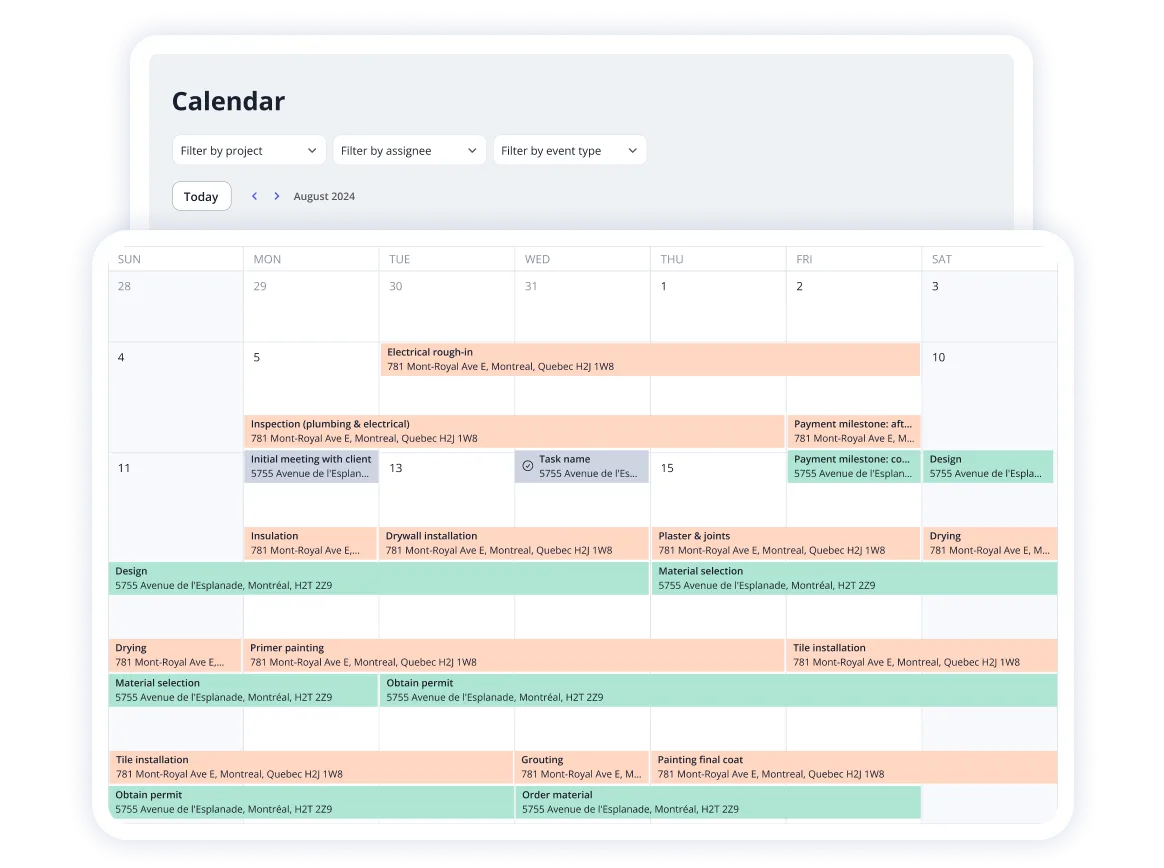
- Automated Renewal Alerts: Billdr's Compliance Calendar automatically tracks the December 31 deadline for your Vancouver license and your IMBL renewal.
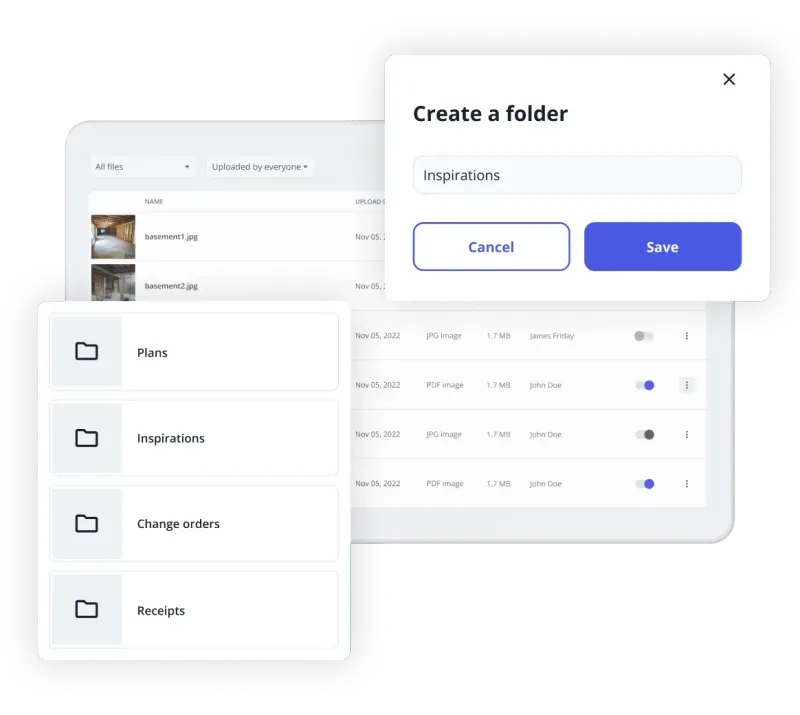
- Corporate Records Hub: Store your Certificate of Incorporation and Notice of Articles in the Billdr Document Hub. When a commercial client asks for "Proof of Good Standing" during a bid, you can share these documents instantly via a secure link.
Phase 2: Technical Compliance and Building Codes
Commercial construction in Vancouver is governed by the BC Building Code (BCBC) and the Vancouver Building By-law (VBBL), which features stricter seismic and sustainability requirements than the national standard.
1. The VBBL vs. BCBC: Why Vancouver is Unique
In 2026, the Vancouver Building By-law (VBBL) serves as the primary regulatory hurdle. It is updated more frequently than the provincial code to reflect the city’s "Greenest City" initiatives.
- Part 3 vs. Part 9: As a commercial GC, you are dealing with Part 3 (Complex Buildings). This requires much higher standards for fire suppression, accessibility (including universal washrooms), and structural integrity.
- Seismic Reinforcement: Because Vancouver sits on a major fault line, the VBBL mandates high-performance seismic restraints not just for the building skeleton, but for non-structural components (HVAC units, piping, and suspended ceilings). As a GC, you must ensure your sub-trades provide engineered "Seismic Shop Drawings" before installation begins.
Note: The seismic design provisions of the 2025 VBBL apply to building permits submitted on or after September 15, 2026.
2. Zero Carbon Step Code & The "Electrification" Mandate
By 2026, Vancouver has accelerated its path to zero emissions. This has shifted the GC’s role from "builder" to "energy coordinator."
- Eliminating Gas: For most new commercial builds and major retrofits, the VBBL effectively prohibits fossil-fuel-based heating. You will be managing the installation of complex Air-Source Heat Pumps (ASHP) and high-capacity electrical services. Commercial Part 3 buildings in Vancouver must typically meet Emissions Level 3 (EL-3) or higher.
- Embodied Carbon Requirements: Vancouver requires builders to report on "Embodied Carbon". The emissions generated by the manufacturing and transport of materials like concrete and steel. Choosing local suppliers or low-carbon concrete mixes is now a competitive advantage in the bidding process.
- Airtightness Testing: Commercial buildings must undergo mandatory blower-door testing to ensure they meet Energy Step Code targets (typically Step 2 minimum for commercial buildings). One small gap in a building envelope can cause a failed inspection and weeks of delays.
3. Managing the "Alphabet Soup": Schedules A, B, and C
In commercial work, the GC acts as the "Conductor" of a professional orchestra. You don't sign off on the work; the Registered Professionals (RPs) do, using Letters of Assurance.
- Schedule A: Confirms a Coordinating Registered Professional (like an architect) has been hired. Submitted at the building permit application.
- Schedule B: Confirms that a Registered Professional of Record takes responsibility for specific components (e.g., structural, mechanical). Submitted before construction on those components begins.
- Schedule C (The Critical Path): This is submitted at the end of the project. Without Schedule C-B (confirming the engineer inspected the work) and Schedule C-A, the City will not issue an Occupancy Permit.
- GC Responsibility: Your job is to ensure the Electrical, Mechanical, and Structural engineers actually show up for site visits at the right milestones. If they miss a "pre-drywall" inspection, you may be forced to tear down walls at your own expense.
4. The Certified Professional (CP) Program: The "Fast Track"
Vancouver’s permitting backlog can be a nightmare for commercial developers. The CP Program is the solution for sophisticated GCs.
- How it Works: A Certified Professional is a highly trained architect or engineer who acts as a "Private Building Official." They provide impartial design review and site inspections to ensure code conformity.
- The Benefit: When a CP is on the team, the City of Vancouver performs only a "parallel review" or audit, rather than a full page-by-page review. This can shave 3 to 6 months off the permit wait time.
- Cost vs. Value: While a CP charges a significant fee, the savings in "carrying costs" (interest on construction loans) for your client makes you look like a strategic partner rather than just a builder.
Billdr Advantage: Mastering Phase 2
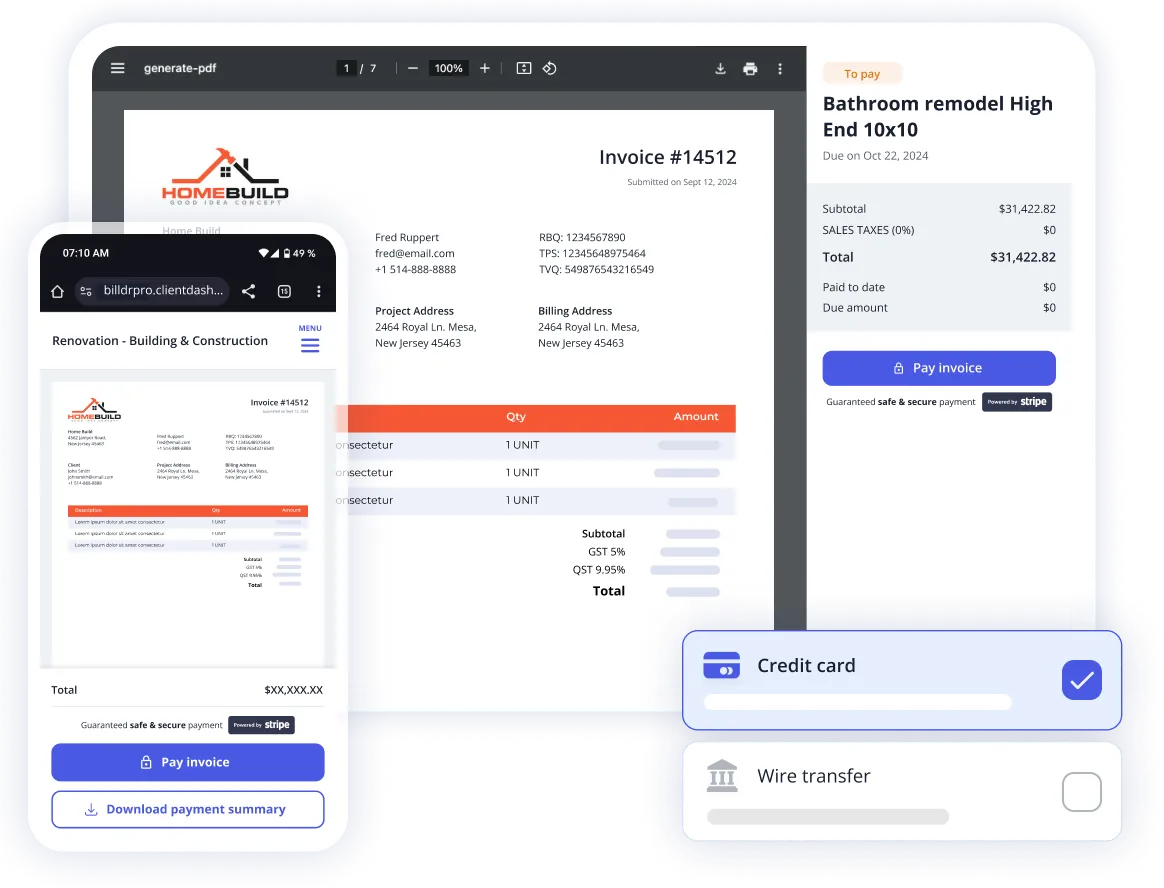
- CP Communication Portal: Keep your Certified Professional in the loop by giving them "Viewer Access" to your project files, allowing them to verify code compliance in real-time without excessive site visits.
Phase 3: WorkSafeBC and Safety Leadership
1. Prime Contractor: The Legal "Safety Conductor"
In Ontario, the term is "Constructor"; in BC, it is the Prime Contractor. At any multiple-employer workplace (which includes almost all commercial sites), a written agreement must designate a prime contractor. Without this, the site owner is legally considered the prime contractor by default.
- The Site-Wide System: You are responsible for putting in place and maintaining a system to ensure site-wide compliance. This includes:
- Coordinating health and safety activities of all employers (subcontractors).
- Establishing site orientations and worker training protocols.
- Maintaining a central first aid station and emergency response plan.
- Notice of Project (NOP-C): For 2026, an NOP-Construction must be filed with WorkSafeBC at least 24 hours before work starts if:
- The project value exceeds $100,000 (total labor and materials).
- The work involves a building more than 2 storeys or 6 m (20 ft) high.
- The project is designed by a professional engineer (excluding pre-manufactured components).
- Qualified Coordinator: You must appoint a qualified coordinator to ensure health and safety activities are synchronized. For high-density Vancouver sites, this is often a dedicated National Construction Safety Officer (NCSO).
2. COR™ Certification: The 10% Competitive Advantage
The Certificate of Recognition (COR™) is a voluntary program, but in 2026, it is effectively mandatory for bidding on projects with TransLink, BC Hydro, or the City of Vancouver.
- Financial Incentives: Employers who maintain a valid COR™ are eligible for a 10% rebate on their annual WorkSafeBC base assessment premiums.
- Calculation: (Total Payroll / 100) x (CU Base Rate) x 10%.
- In 2026, the average base premium rate remains stable at $1.55 per $100 of payroll, making the COR™ rebate a significant cash-flow benefit for large commercial firms.
- The 80/50 Audit Cycle: Certification requires passing an audit every three years with annual maintenance audits. You must achieve an overall score of at least 80%, with no single category (like hazard management or inspections) falling below 50%.
- Small vs. Large Employer (SECOR):
- SECOR: For firms with 19 or fewer employees. Features a streamlined self-assessment process.
- Large COR: For firms with 20 or more employees. Requires a rigorous external audit by a third party.
3. Seismic & Non-Structural Compliance
Vancouver’s proximity to the Cascadia Subduction Zone makes seismic safety a top priority for 2026 inspections. As of September 15, 2026, new seismic provisions under the 2024 BC Building Code become mandatory.
- The MEP Focus: WorkSafeBC officers now place heavy emphasis on the restraint of non-structural components (Mechanical, Electrical, and Plumbing). In a seismic event, falling HVAC units or heavy piping are leading causes of site fatalities.
- Engineered Shop Drawings: As the GC, you must collect signed and sealed seismic shop drawings from your MEP subcontractors. These must be reviewed by the Mechanical Engineer of Record before installation.
- The Certification Gap: A common 2026 audit failure is having equipment installed but lacking the Schedule C-B letter from the engineer confirming the seismic bracing was actually inspected and passed.
Billdr Advantage: Safety as a Service
- Digital Site Orientations: All commercial workers must receive a site-specific orientation before starting. Billdr allows you to send a digital orientation link to subcontractors before they arrive, collecting their signed acknowledgement and storing it in the cloud for WorkSafeBC audits.
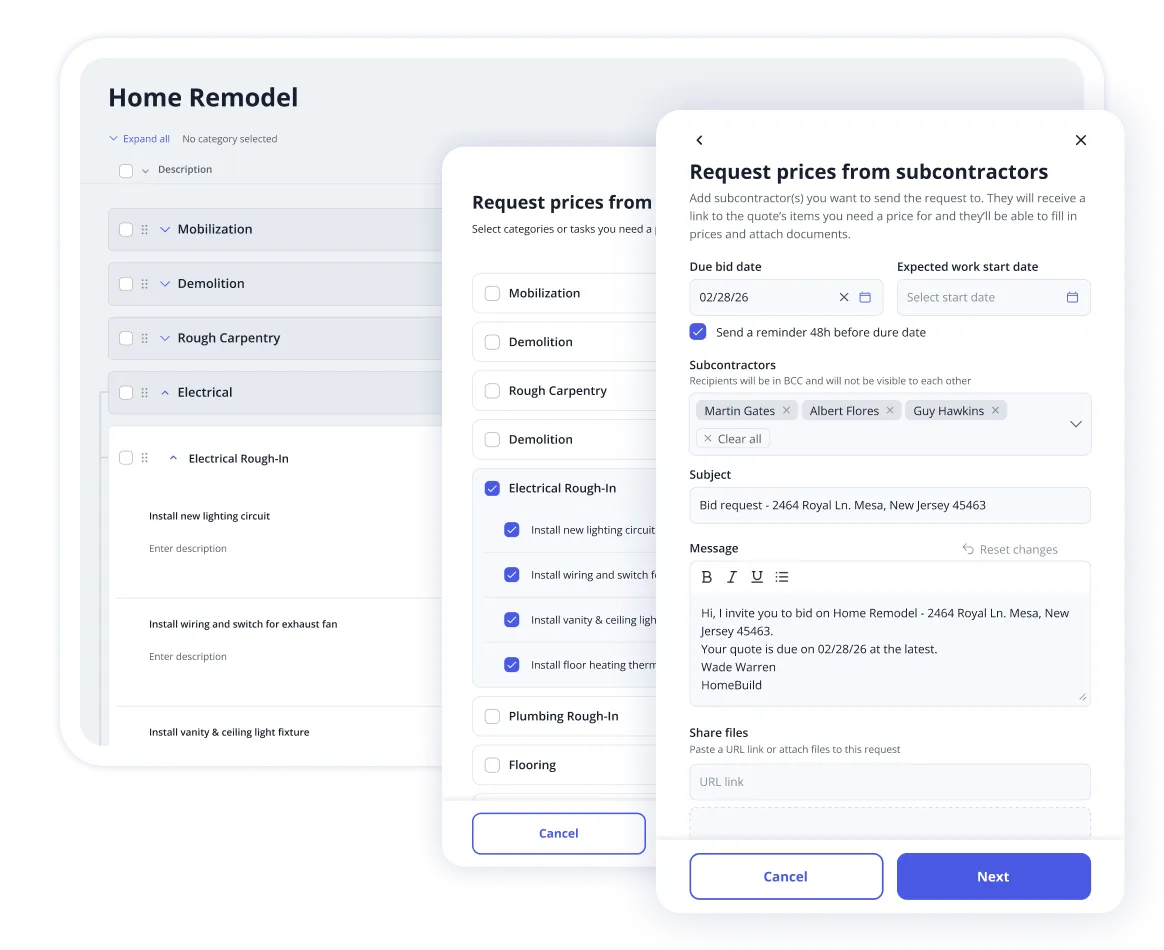
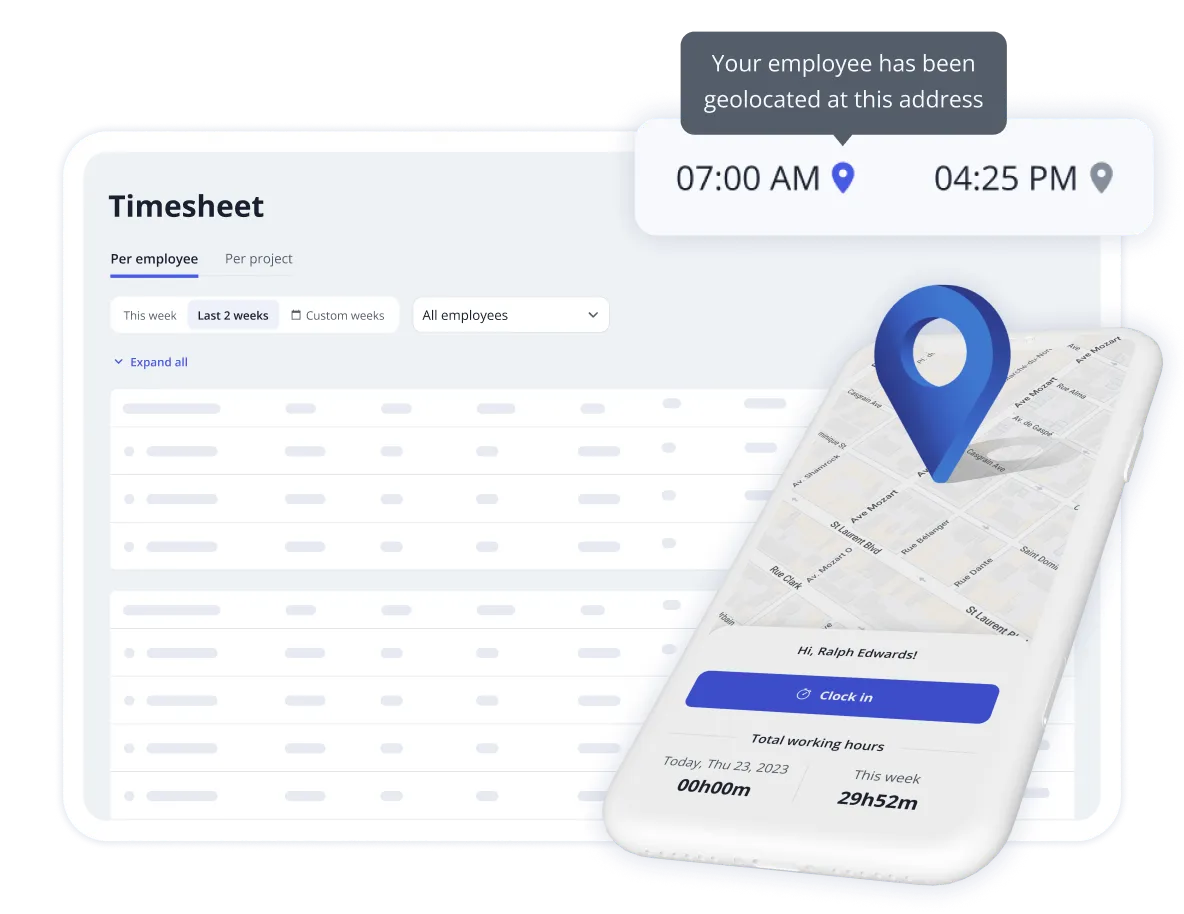
- Safety Meeting Logs: Commercial sites require regular "Toolbox Talks." Billdr's Communication Portal logs these meetings, including attendance lists and topics covered, creating a permanent audit trail that satisfies both COR™ requirements and Prime Contractor obligations.
Phase 4: Bidding and Digital Permitting
1. Digital Permitting & The ProjectLink Portal
By 2026, the City of Vancouver has centralized its intake through the Development and Business Services portal. For commercial contractors, this means the "paper era" is over.
- The "eCheck" System: Before you can even submit drawings for a Tenant Improvement (TI), the portal uses the eCheck digital tool. This is a free, AI-powered tool (partnered with Archistar) that provides instant feedback on whether your CAD or PDF files meet the City’s strict formatting, zoning, and layering standards. Failing eCheck means your application won't even reach a reviewer’s desk, saving you weeks of "back-and-forth" on minor administrative errors.
- Streamlined TI Tracks: Under the "3-3-3-1" permit framework, simple commercial renovations (under a certain project value and with no structural changes) now qualify for "Fast Track" streams. While residential renovations can clear in 3 days, commercial TI permits in these streams aim for 3–6 weeks. Complex changes of use or major structural work still average 4–9 months.
- Real-Time Tracking: As the GC, you can track the status of every department’s review (Plumbing, Electrical, Health, Fire) in a single dashboard. You receive one consolidated notice for all application deficiencies, allowing you to proactively address them before they cause a total project stall.
2. Surety & Bonding: The "Financial Passport"
Bonding is what separates "residential guys with a hammer" from "commercial firms with a future." A surety bond is a three-party agreement between the Principal (you), the Obligee (the client), and the Surety (the insurance company) that guarantees your performance.
- Bonding Capacity: Your "capacity" is the total dollar amount of bonded work you can have active at once. For 2026, sureties typically require a minimum of $150,000 in working capital to establish a basic "Bonding Line" for new commercial firms. This liquidity proves you can fund payroll and materials across multiple jobs.
- The 1.5x Rule: A common industry benchmark is that you can typically qualify for a single project up to 1.5x the size of your largest completed job. If your biggest residential project was $1M, your first commercial bonded limit will likely be capped at $1.5M.
- Bid vs. Performance Bonds:
- Bid Bond (10%): Submitted with your tender to prove you are "bondable" and will enter the contract if you win.
- Performance Bond (50–100%): Issued once the contract is signed; it protects the owner if you fail to finish.
- Payment Bond: Guarantees you will pay your sub-trades and suppliers, preventing "Builders Liens" from being placed on the owner's property.
3. Site Management: The "Good Neighbour" Policy
In the dense neighborhoods of Vancouver (like Yaletown or the West End), your site management is under constant surveillance by both the City and the public.
- Construction Noise Control (Bylaw 6555):
- Weekdays: 7:30 AM – 8:00 PM (On private property).
- Saturdays: 10:00 AM – 8:00 PM (On private property).
- Sundays/Holidays: Absolutely no construction noise permitted on private property.
- Pro-Tip: If you need to pour concrete at 6:00 AM to beat the heat or traffic, you must apply for a Noise Bylaw Exception Permit at least three weeks in advance and notify every resident within a one-block radius.
- Traffic Management Plans (TMP): If your project requires a bin in a parking lane, a crane on the street, or even a ladder on a sidewalk, you need a Street Use Permit and an approved TMP. For 2026, a TMP is required for any work impacting arterial lanes, bike facilities, or pedestrian paths.
- The 2026 "Quick-Build" Conflict: Vancouver is increasingly using "Quick-Build" materials (like flexible delineators or concrete barriers for bike lanes). Your TMP must account for these new urban features; blocking a bike lane without a specific permit or failing to provide a 3:1 taper for temporary bike lane shifts can result in fines exceeding $1,000 per day.
Summary Table: Vancouver Commercial Startup (2026)
Conclusion
Entering Vancouver's commercial general contracting market in 2026 demands more than technical skill. It requires disciplined compliance across legal, sustainability, safety, and permitting fronts. By following this phased roadmap from BC incorporation and Metro West IMBL as foundational steps, through Zero Carbon/EL-3 mandates and seismic rigor, to COR™ certification and digital permitting mastery. You position your firm (or clients) for eligibility on high-value public/institutional bids while minimizing risks like permit delays, safety liabilities, or lost opportunities.
The upfront investments (roughly $5,000–$15,000 in licensing, certification, and insurance for Year 1) pale compared to the potential rewards: access to Metro Vancouver's booming infrastructure and green building pipeline, faster project timelines via CP fast-tracking, and tangible savings (e.g., 10% WorkSafeBC rebates).
Start small: Secure your incorporation and home/IMBL licenses this quarter, then build toward COR™ and bonding capacity. The transition isn't easy, but it's achievable, and in Vancouver's regulated, sustainability-driven market, compliance isn't optional; it's your competitive edge.
Sources & Resources
Legal & Licensing
- BC Registries and Online Services: Official portal for BC Incorporation ($350) and Name Requests ($30).
- City of Vancouver: Business Licence By-law 4450 (Schedule A): Detailed 2026 fee schedule for contractor services (typically $277–$376/year).
- Metro West Inter-Municipal Business License (IMBL): Information on the regional license covering Vancouver, Burnaby, Delta, New Westminster, Richmond, and Surrey.
Building Codes & Sustainability
- Vancouver Building By-law (VBBL) 2024/2026: The primary code for commercial (Part 3) construction in Vancouver.
- BC Zero Carbon Step Code: Compliance pathways for the 2026 electrification mandate (EL-4 Zero Carbon Performance).
- Energy Step Code – Performance Path Guide: Technical breakdown of energy modeling and greenhouse gas intensity (GHGi) targets.
Safety & WorkSafeBC
- WorkSafeBC: Certificate of Recognition (COR™) Program: Details on the 10% premium rebate and audit guidelines.
- BCCSA: Prime Contractor Responsibilities: Training and legal definitions for safety coordination on commercial sites.
- WorkSafeBC: Notice of Project (NOP) Filing: Electronic submission tool for commercial projects exceeding $100k.
Site Management & Bonding
- City of Vancouver: Noise Control By-law 6555: Permitted hours for construction and noise exception permit application.
- Surety Association of Canada: Contractor Bonding 101: Resources for establishing your first bonding line and understanding bid vs. performance bonds.
Disclaimer
This guide is for informational purposes only and does not constitute legal or professional advice. While Billdr provides the tools to manage complex Vancouver building code and safety requirements, it does not guarantee the acquisition of any municipal license or certification. Final approval is granted by the City of Vancouver and WorkSafeBC.